Books like Andersonville

The Confederate prison camp at Andersonville, Georgia, in 1864 and 1865, where tens of thousands of Union prisoners starved, and the people inside and outside its stockade.
Explore books like this on the map12 books for readers of Andersonville

The March
Sherman's March to the Sea becomes a panoramic novel of the Civil War's end, seen through the eyes of soldiers, slaves, and civilians swept up in the destruction.

The Sweetness of Water
In Georgia in the last days of the Civil War, George Walker, a reclusive farmer grieving his son, takes on two newly freed brothers, Prentiss and Landry, to work his land.

Shadow Country
The life and death of E. J. Watson, a sugar planter in the Florida Everglades at the turn of the century, shot dead by his neighbours in 1910, told by them, by his son and by Watson himself.
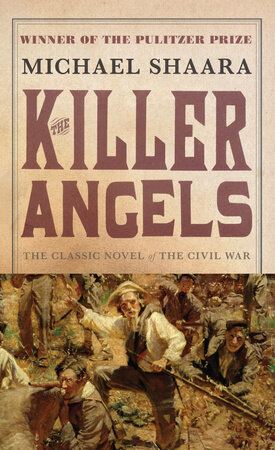
The Killer Angels
The Battle of Gettysburg, from June 29 to July 3, 1863, told from inside the minds of Lee, Longstreet, Chamberlain, Buford and others as it unfolds into the turning point of the Civil War.

March
The absent father from Little Women goes to war as a Union chaplain, and his idealism about abolition meets the reality of slaughter and of the plantations run by the North.

Night Watch
In 1874, twelve-year-old ConaLee and her mother, who has stopped speaking after years of abuse, are brought to the Trans-Allegheny Lunatic Asylum in West Virginia by the violent man ConaLee has been made to call Papa, while the fate of her real father, a Union sharpshooter, remains a mystery.

The Unvanquished
Bayard Sartoris and his friend Ringo, a slave boy his own age, grow up in Mississippi through the Civil War and Reconstruction, while Bayard's father, Colonel John Sartoris, rides with his raiders.
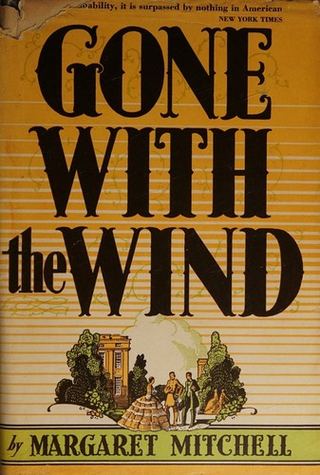
Gone with the Wind
A willful Southern belle navigates the destruction of the Civil War and Reconstruction, driven by survival, ambition, and a love she doesn't understand until too late.

The Fixer
A Jewish handyman in Tsarist Russia is arrested for a crime he didn't commit and endures years of imprisonment while refusing to confess.

Cold Mountain
A Confederate deserter and a preacher's daughter converge on a North Carolina mountain at the end of the Civil War, each carrying wounds the other might heal.
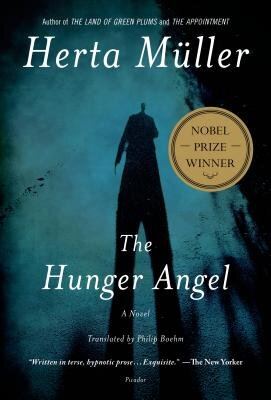
The Hunger Angel
In January 1945, seventeen-year-old Leopold Auberg, a German-speaking Romanian, is deported to a Soviet labour camp in Ukraine, where he will spend five years with the hunger angel.

The War of the End of the World
In the backlands of northeastern Brazil in the 1890s, a preacher known as the Counsellor gathers thousands of the poor at Canudos, and the new republic sends its army against them.