Books like Child of the Dark

The diary of Carolina Maria de Jesus, a single mother of three who collected paper for a living and lived in the Canindé favela in São Paulo in the 1950s.
Explore books like this on the map12 books for readers of Child of the Dark
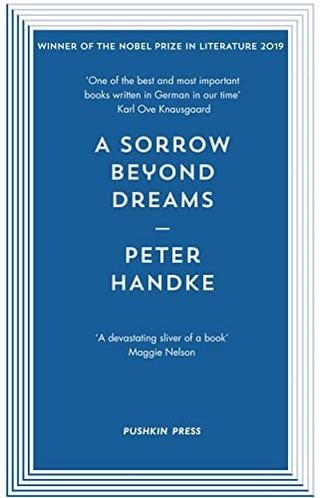
A Sorrow Beyond Dreams
Seven weeks after his mother killed herself, Handke wrote this compact account of her life to keep her from vanishing into the ordinary.

An Angel at My Table
Janet Frame's autobiography, from a poor childhood in Oamaru through eight years in mental hospitals to her escape into writing and to Europe.

The Voices of Marrakesh
Short sketches of a few weeks in Marrakesh in 1954: the souks, the blind beggars, the storytellers in the square, the Jewish quarter.
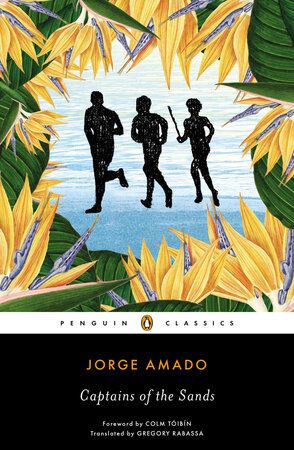
Captains of the Sands
A gang of homeless boys lives in an abandoned warehouse on the beach in Salvador da Bahia, stealing to survive, led by fifteen-year-old Pedro Bala.

The Tongue Set Free
Canetti remembers his childhood from 1905 to 1921, in a Sephardic Jewish family in Bulgaria, Manchester, Vienna and Zurich, and the mother who taught him German.

Boyhood
Coetzee's account, written in the third person, of a boy growing up in Worcester, a provincial town in the Cape, in the late 1940s and early 50s.

Heavy
Kiese Laymon writes a memoir to his mother about growing up Black in Mississippi, about weight, gambling, abuse and love, and the lies they told to survive.
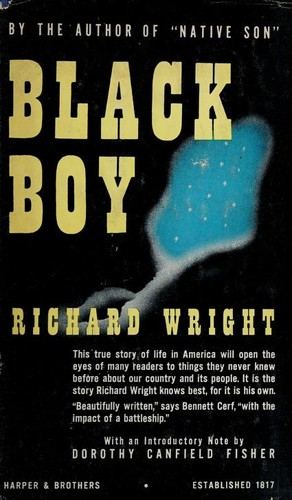
Black Boy
Richard Wright's memoir of growing up hungry and defiant in the Jim Crow South, in Mississippi, Arkansas and Memphis, and of the books that convinced him there was a way out.
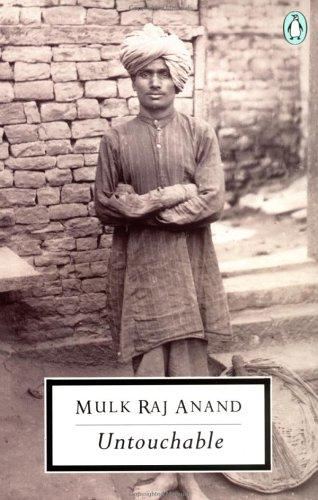
Untouchable
One day in the life of Bakha, an eighteen-year-old sweeper and latrine cleaner in a north Indian cantonment town, and the humiliations of being untouchable.
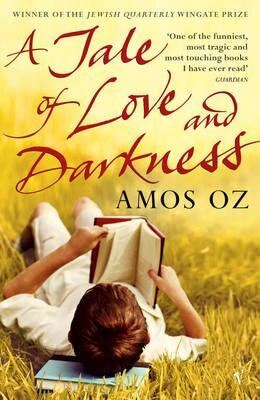
A Tale of Love and Darkness
Amos Oz's memoir of growing up in Jerusalem in the 1940s and 50s, the only child of bookish European Jews, and of the loss of his mother when he was twelve.
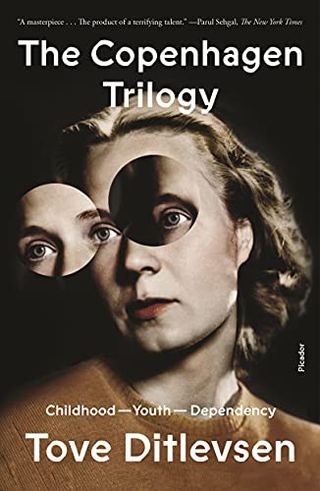
The Copenhagen Trilogy
Tove Ditlevsen's memoirs of growing up poor in Copenhagen's working-class Vesterbro in the 1920s, wanting to be a poet, and the marriages and dependencies that followed.

The Color of Water
A Black writer tells his own story alongside that of his white Jewish mother, who raised twelve children and refused to discuss her past.