Books like Deaf Republic
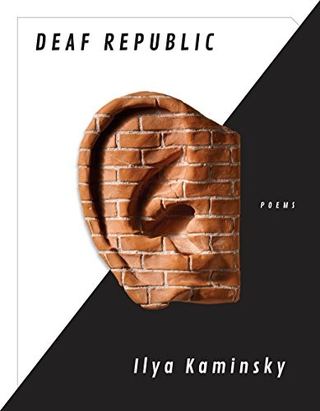
A two-act poem-play in which a small town goes silent after soldiers shoot a deaf boy, and sign language becomes the weapon of civic resistance.
Explore books like this on the map12 books for readers of Deaf Republic
American Sonnets for My Past and Future Assassin
Seventy sonnets written in the first months of the Trump presidency, each an address to an imagined assassin, Black life, and the ghosts of the form.
How to Wash a Heart
A book-length monologue from an immigrant guest addressing the white citizen host who is generous, watchful, and does not intend to let her leave.

The Tradition
Pulitzer-winning collection where Brown's invented duplex form holds up the violence against Black bodies alongside desire, faith, and flowers.

Alive at the End of the World
Poems written through the pandemic, private loss and public Black death, elegies that refuse to choose between the historical and the personal.

DMZ Colony
National Book Award-winning hybrid of poetry, prose, photos, and drawings that confronts the ongoing American war in Korea through translation and witness.
New and Collected Poems
Seventy years of Miłosz's poems, from the Warsaw of the war years to old age in California and Kraków.

Night Sky with Exit Wounds
Vuong's debut moves between a Vietnamese boy's afterlife of war and a queer American coming-of-age, in poems that braid family memory and desire.

Obit
After her mother's death, Chang writes obituaries for everything else that died along with her, her father's frontal lobe, her mother's teeth, logic, in a book of grief.
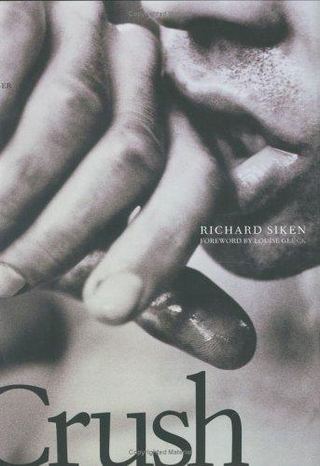
Crush
Poems of desperate wanting: two bodies, a car crash, a war, desire so intense it becomes hard to tell from destruction.

This Wound Is a World
Griffin-winning debut from a Cree poet making a queer Indigenous lyric out of grief, desire, and the political weather of the Canadian state.
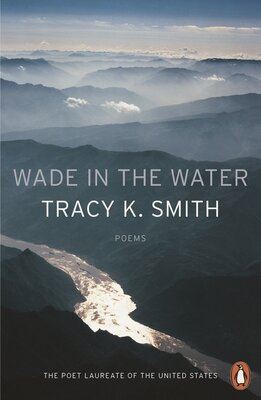
Wade in the Water
The former US Poet Laureate writes through Civil War letters, motherhood, and ecological grief, listening for the voices buried in the national record.

Don't Call Us Dead
Opens with a vision of a Black afterlife free of police bullets, then turns inward to a young HIV-positive Black queer poet writing to survive.