Books like How High We Go in the Dark
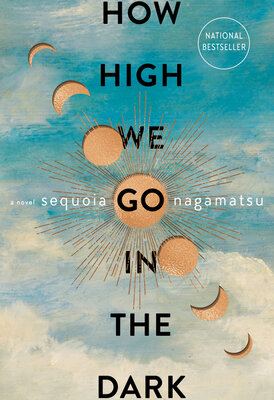
In 2030 a plague released from thawing Siberian permafrost begins to spread, and over the following centuries a chain of linked lives, from a theme park for dying children to a ship sent to find a new home, learn how to grieve and to go on.
Explore books like this on the map12 books for readers of How High We Go in the Dark
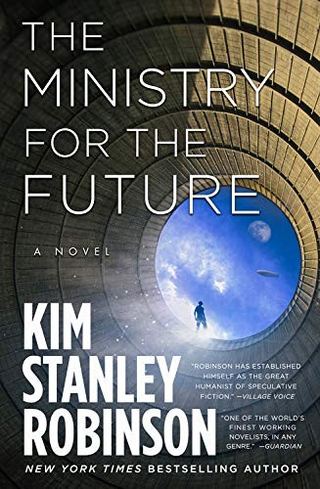
The Ministry for the Future
Beginning with a deadly heat wave in India, a near-future novel told through eyewitness accounts, meeting notes and dispatches follows an agency created to speak for future generations as the world fights its way through climate catastrophe.

The New Wilderness
A mother and her sickly daughter join twenty volunteers exiled from a dying city into the last protected American wilderness, where the rules are the weather and each other.

The Testament of Jessie Lamb
A virus released by terrorists means every pregnant woman in the world now dies, and Jessie Lamb, sixteen, writes her account from the room where her father has locked her up to stop what she has decided to do.
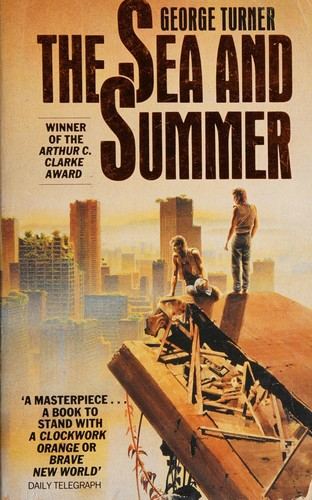
The Sea and Summer
In the Melbourne of the mid twenty-first century, with the seas rising and most people unemployed and crammed into the tower blocks of the Swill, two brothers try to keep a hold on the life above it. Centuries later, historians study what they left.

To Paradise
Three interconnected novellas spanning 1893, 1993, and 2093 New York, each reimagining a version of paradise and the human need to construct utopia.
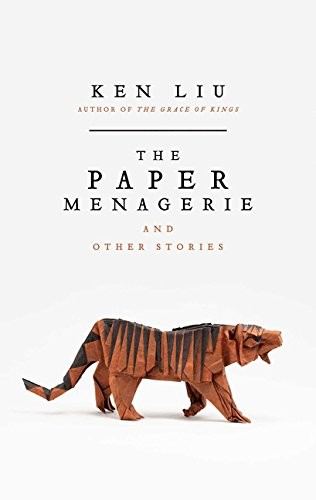
The Paper Menagerie and Other Stories
Ken Liu's first collection, from the title story of a Chinese mother whose paper animals come to life for her son to stories of artificial minds, colonial Hong Kong and a historian who lets people witness the crimes of Unit 731.

The Light Pirate
Wanda is born during a hurricane in a small Florida town, and as she grows up the water keeps rising and the state, and her family, start to come apart.
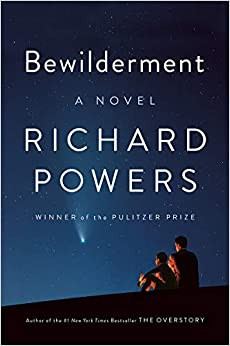
Bewilderment
A grieving father uses a neuroscience experiment to connect his son's mind to the natural world, and the boundary between human consciousness and nature dissolves.

Darwin's Radio
A mass grave in Georgia, a frozen Neanderthal family in the Alps and a new virus that causes miscarriages all point to the next step in human evolution.

The Marrow Thieves
In a future North America ravaged by climate change, where people have lost the ability to dream, Indigenous people are hunted for their bone marrow, and Frenchie, a Métis boy, flees north with others.

A Song for a New Day
After attacks and a pandemic have banned public gatherings, Luce, who played the last big concert, plays illegal shows, while Rosemary, who has never seen live music, is hired to find bands for a company that streams them.

The Many Daughters of Afong Moy
In 2045 Dorothy Moy, a Seattle poet afraid of passing her depression to her daughter, tries a treatment that lets her relive the memories of her ancestors, back to Afong Moy, the first Chinese woman to come to America, in 1834.