Books like Know My Name
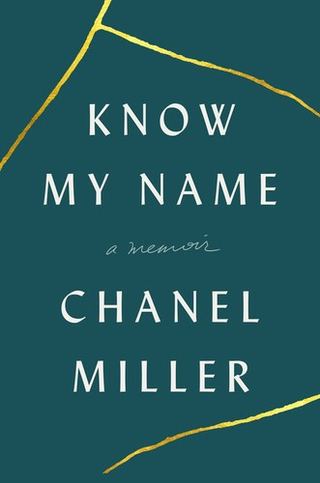
The woman known in court only as Emily Doe writes back against the Brock Turner trial transcript and reclaims her own voice, her own family, and her own sentences.
Explore books like this on the map12 books for readers of Know My Name

Stay True
Hua Hsu remembers his friendship with Ken at Berkeley in the 1990s, zines, mixtapes and arguments about what was cool, and the random act of violence that ended it.

Heavy
Kiese Laymon writes a memoir to his mother about growing up Black in Mississippi, about weight, gambling, abuse and love, and the lies they told to survive.
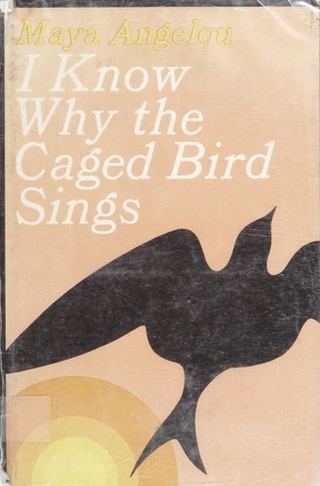
I Know Why the Caged Bird Sings
Angelou's Stamps, Arkansas childhood under Jim Crow, the pastor-grandmother's store, the trauma that silenced her, and the teacher who taught her back into language.

An Odyssey: A Father, a Son, and an Epic
A classicist's elderly father audits his seminar on the Odyssey, and together they take a Mediterranean cruise retracing Odysseus's route.
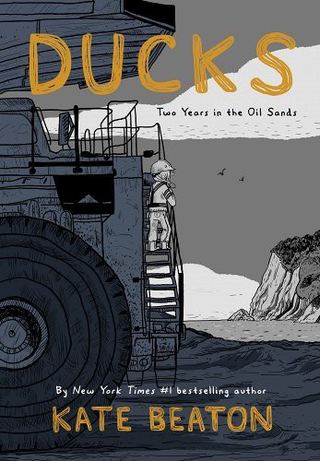
Ducks: Two Years in the Oil Sands
Beaton's memoir of two years working in Alberta's oil sands to pay off her student debt and the violence, boredom, and tenderness that circulated on camp.

Small Great Things
Ruth Jefferson, a labour and delivery nurse with twenty years' experience, is barred from caring for a newborn because his parents are white supremacists, and when the baby goes into distress while she is alone with him, she is charged with his death.

My Sister's Keeper
Thirteen-year-old Anna Fitzgerald was conceived as a genetic match for her sister Kate, who has leukemia, and has given blood and marrow all her life; when her parents expect her to give a kidney, she hires a lawyer and sues them for the right to decide.

This House of Grief
Garner follows the trials of Robert Farquharson, who drove his car into a dam on Father's Day 2005 and drowned his three sons, and asks whether he meant to.

The Year of Magical Thinking
After her husband's sudden death and her daughter's hospitalisation, Didion keeps a forensic record of what magical thinking her grief conjures and what it refuses to.
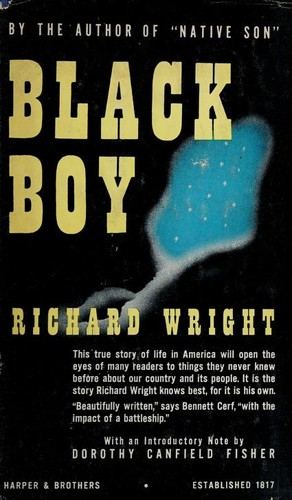
Black Boy
Richard Wright's memoir of growing up hungry and defiant in the Jim Crow South, in Mississippi, Arkansas and Memphis, and of the books that convinced him there was a way out.
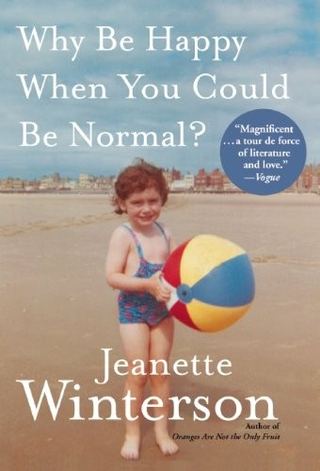
Why Be Happy When You Could Be Normal?
Jeanette Winterson's memoir of being adopted into a Pentecostal household in a Lancashire mill town by a mother who once asked her that question, and of looking for her birth mother decades later.

Blue Nights
In the aftermath of her daughter Quintana's death, Didion turns the pale light of late summer on her own motherhood, her own failing body, and what it means to be the last one left.