Books like The Collected Schizophrenias
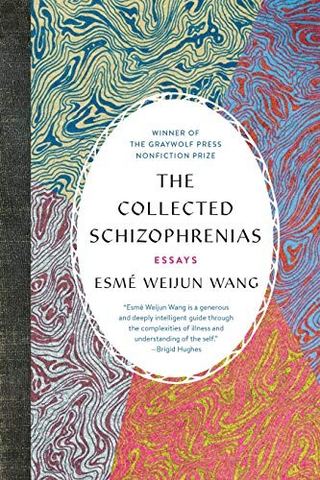
Thirteen essays on living with schizoaffective disorder, the diagnosis, the institutions and Wang's own experience of a high-functioning illness, written with a clinician's precision.
Explore books like this on the map12 books for readers of The Collected Schizophrenias

The Empathy Exams
Essays that start from Jamison's work as a medical actor, paid to perform symptoms for students, and move through Morgellons, ultramarathons and her own body to ask what empathy is for.

Nobody Is Ever Missing
Elyria walks out of her marriage in New York without a word and flies to New Zealand on a one-way ticket, hitchhiking across the country and narrating her unraveling in long, breathless sentences.

Between the World and Me
A letter from a father to his fifteen-year-old son about what it means to live in a Black body in America, written in the shadow of Mike Brown, Trayvon Martin, and Prince Jones.

Minor Feelings
Hong writes about Asian-American shame, Richard Pryor, friendship, and why the minor feelings of a model-minority life refuse to stay put.

Girl, Interrupted
Kaysen's memoir of the two years she spent at eighteen in McLean Hospital for a borderline diagnosis, told in chips of narrative cut in and out of the case file.

Trick Mirror
Nine essays on how late-2010s America scams itself, the internet as self, the wedding industry, athleisure and optimisation, written from inside the trap by someone who does not pretend to be above it.

The Writing Life
Dillard's short book on the daily work of writing, the cabins and studies where she has done it, and what it costs, with a detour to a stunt pilot who wrote in the sky.

The Hours
Three women in three eras live through a single day linked by Mrs Dalloway: Virginia Woolf writing it in 1923, Laura Brown reading it in 1949 Los Angeles, and Clarissa Vaughan, nicknamed Mrs Dalloway, giving a party in 1990s New York.

Notes of a Native Son
Baldwin returns from Paris to America to bury his father, and in ten essays lays out what the country's racial lie has cost a son, a church, and a prose style.
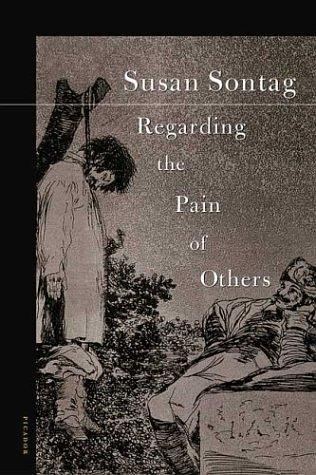
Regarding the Pain of Others
Sontag returns to her On Photography territory a quarter-century later to ask what we do with images of atrocity, and whether there is a form of looking that is not a kind of spectator-sport.

The Myth of Sisyphus
Camus asks whether life is worth living once you accept that the world will never answer the demand for meaning, and finds his answer in Sisyphus, rolling his boulder up the mountain forever.
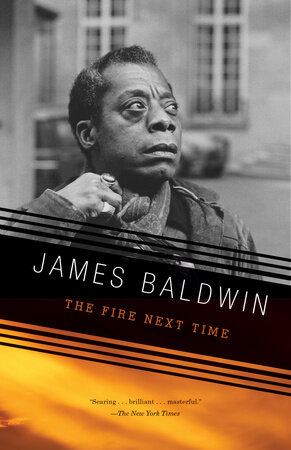
The Fire Next Time
Two essays on race in America, a letter to Baldwin's nephew and a reflection on religion and the Nation of Islam, that remain as urgent and incandescent as when they were written.