Books like The Conquest of Happiness
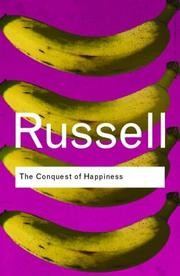
Russell's practical case for how ordinary people can be happier: the causes of unhappiness, from boredom and envy to fear of public opinion, and what can be done about them.
Explore books like this on the map12 books for readers of The Conquest of Happiness

Laughter
Bergson's essay on the comic: what makes us laugh at a person, a phrase or a situation, and what laughter does for a society.

On Photography
Six essays on what it means to see the world through photographs, and what the camera consumes, numbs and moralises away.
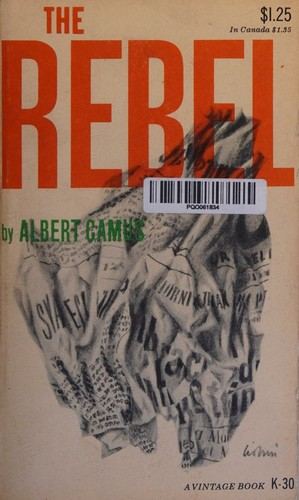
The Rebel
Camus's essay on rebellion and revolution: how the refusal to accept injustice turns, in history and in thought from the Marquis de Sade to the Soviet state, into murder.

A Room of One's Own
Woolf's lecture-turned-book on why women who want to write need five hundred a year and a lockable door, in a voice that invented its own form of argument.

The Myth of Sisyphus
Camus asks whether life is worth living once you accept that the world will never answer the demand for meaning, and finds his answer in Sisyphus, rolling his boulder up the mountain forever.
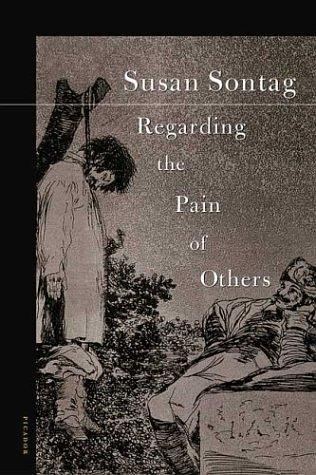
Regarding the Pain of Others
Sontag returns to her On Photography territory a quarter-century later to ask what we do with images of atrocity, and whether there is a form of looking that is not a kind of spectator-sport.
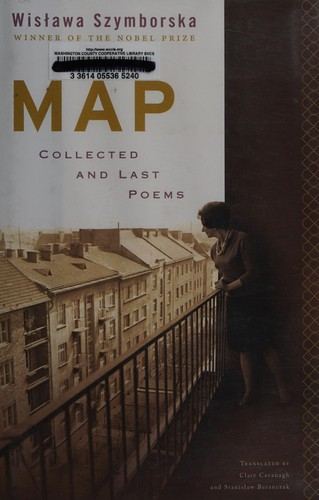
Map: Collected and Last Poems
The complete poems of Szymborska's working life, from the 1940s to the poems left on her desk when she died.

A History of Western Philosophy
Russell's survey of Western philosophy from the pre-Socratics to his own day, set against the social and political history that shaped each thinker, with his opinions in full view.
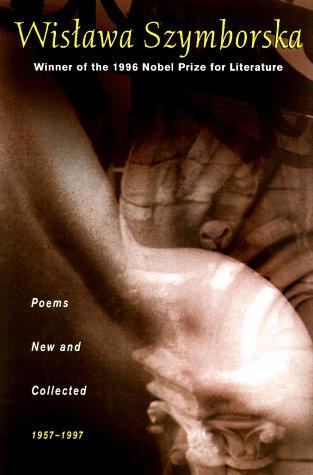
Poems New and Collected 1957–1997
Poland's Nobel laureate finds wonder and irony in the everyday.

Trick Mirror
Nine essays on how late-2010s America scams itself, the internet as self, the wedding industry, athleisure and optimisation, written from inside the trap by someone who does not pretend to be above it.
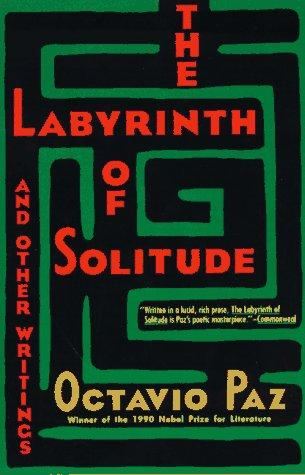
The Labyrinth of Solitude
Paz's essays on the Mexican character, on the pachuco, the fiesta, death, and the masks Mexicans wear.

The Book of Questions
Neruda's last book: seventy-four short poems made entirely of questions, such as why trees conceal the splendour of their roots.