Books like The Good Lord Bird

A young enslaved boy in 1850s Kansas Territory is freed by John Brown, mistaken for a girl, and spends years disguised in a dress as Brown's good-luck charm on the road to Harpers Ferry.
Explore books like this on the map12 books for readers of The Good Lord Bird

James
Huckleberry Finn retold by Jim, an enslaved man who flees down the Mississippi when he learns he is about to be sold, and who hides his intelligence behind the dialect white people expect to hear.

Adventures of Huckleberry Finn
A boy and an escaped slave raft down the Mississippi River, and the journey through antebellum America becomes a moral education in empathy, freedom, and the lies of 'civilised' society.

Song Yet Sung
A runaway slave with prophetic visions is hunted across the marshes of Maryland's Eastern Shore in the 1850s.
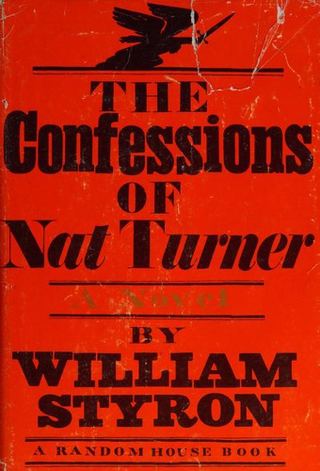
The Confessions of Nat Turner
A fictionalised account of the 1831 slave rebellion led by Nat Turner, told from inside the mind of a literate, tormented preacher.

Property
In 1828 Louisiana, Manon Gaudet, a sugar planter's wife who hates her husband, wants above all to be rid of Sarah, the enslaved woman he has made his mistress.

A Confederacy of Dunces
A slothful, brilliant, hot-dog-cart-pushing medievalist wages war against modern New Orleans in one of literature's great comic antiheroes.
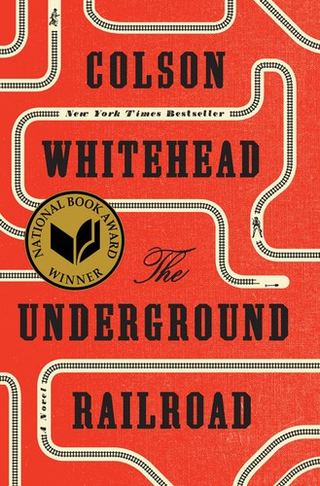
The Underground Railroad
Cora, enslaved on a Georgia plantation, escapes on an underground railroad that is a real train beneath the earth, and each state where she surfaces shows her a different version of America.

Horse
The story of Lexington, the most celebrated racehorse in nineteenth-century America, and Jarret, the enslaved groom who raised him, connects to a 1950s New York art dealer and, in 2019, to a Smithsonian scientist and a Nigerian-American art historian who uncover their story.

The March
Sherman's March to the Sea becomes a panoramic novel of the Civil War's end, seen through the eyes of soldiers, slaves, and civilians swept up in the destruction.

The Known World
In antebellum Virginia, a freed Black man becomes a slaveholder himself, and the moral catastrophe of the institution devours everyone it touches.
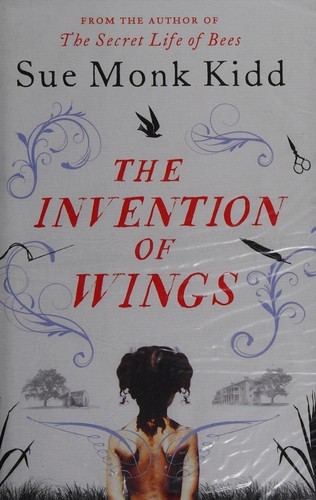
The Invention of Wings
On her eleventh birthday in Charleston in 1803, Sarah Grimké is given ten-year-old Hetty 'Handful' Grimké as her maid, and over thirty-five years the two women, one who will become an abolitionist and one enslaved in her household, tell their parallel stories.
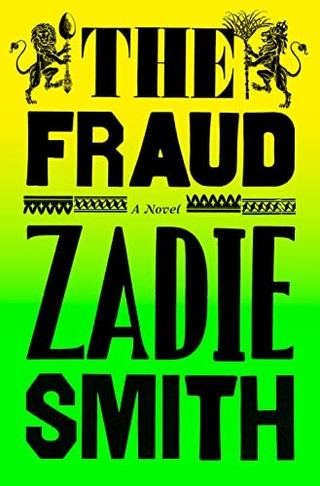
The Fraud
The housekeeper and cousin-in-law of a fading Victorian novelist becomes obsessed with the Tichborne trial, where a butcher claims to be a lost aristocrat and a formerly enslaved man testifies for him.