Books like The Help

In 1962 Jackson a young white graduate secretly co-writes a book with the black maids of her friends, and Mississippi is exactly as dangerous about it as you would expect.
Explore books like this on the map12 books for readers of The Help
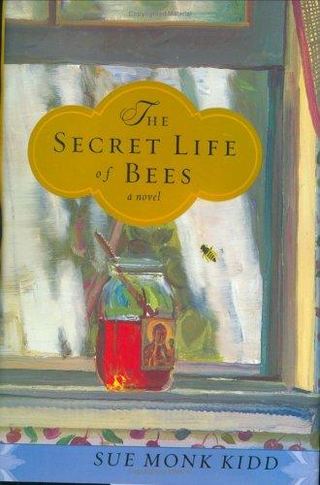
The Secret Life of Bees
In 1964 South Carolina a fourteen-year-old white girl runs off with her black housekeeper to a pink house kept by three beekeeping sisters who know the secret of her dead mother.

Roll of Thunder, Hear My Cry
In 1933 Mississippi, nine-year-old Cassie Logan and her family, Black landowners determined to keep their land, face the cruelty of segregation and the night riders, and Cassie learns what it costs her parents to stand firm.

The Calamity Club
In Oxford, Mississippi, in 1933, Meg, an eleven-year-old left by her mother at the county orphan asylum for girls, and Birdie, who has come to town to beg her socialite sister for money to save the family home, find their lives tangling together in the depths of the Depression.

Kin
Vernice and Annie, two motherless girls who grew up as best friends in Honeysuckle, Louisiana, take very different paths through the Jim Crow South of the 1950s, Vernice to Spelman College in Atlanta and a world of privilege, Annie in search of the mother who left her.

A Time to Kill
A small-town Mississippi lawyer takes the case of a black father who killed the two white men who raped his daughter, and the Klan starts showing up in the parking lot.

The Nickel Boys
Two Black boys at a reform school in Jim Crow Florida endure systematic brutality, told in spare prose based on a real institution's buried history.

Horse
The story of Lexington, the most celebrated racehorse in nineteenth-century America, and Jarret, the enslaved groom who raised him, connects to a 1950s New York art dealer and, in 2019, to a Smithsonian scientist and a Nigerian-American art historian who uncover their story.

Go Set a Watchman
Twenty-six-year-old Jean Louise Finch comes home from New York to Maycomb, Alabama, in the mid-1950s for her annual visit and discovers that her father Atticus, and the town that raised her, are not what she believed.

To Kill a Mockingbird
A lawyer in Depression-era Alabama defends a Black man falsely accused of rape, as seen through the eyes of his young daughter.
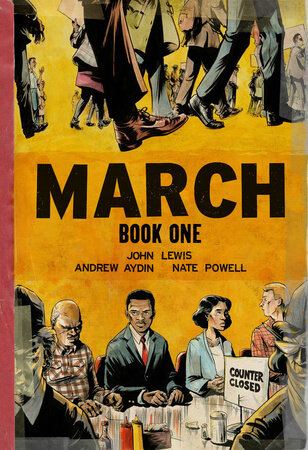
March: Book One
Congressman John Lewis's graphic memoir of the civil rights movement, from his Alabama childhood to the march on Selma.

A Lesson Before Dying
In 1940s Louisiana a young Black teacher is asked to visit a man sentenced to death for a killing he did not commit, so that he can face the electric chair as a man rather than as what his own lawyer called him.
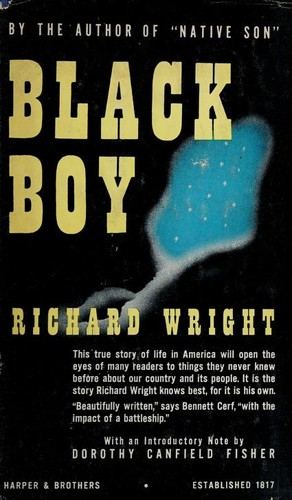
Black Boy
Richard Wright's memoir of growing up hungry and defiant in the Jim Crow South, in Mississippi, Arkansas and Memphis, and of the books that convinced him there was a way out.