Books like The White Book
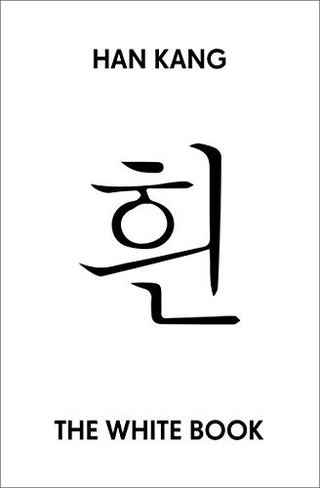
A Korean writer living in Warsaw meditates on white things, snow, swaddling cloth, salt, blank pages, as a way to grieve the sister her mother lost two hours after birth.
Explore books like this on the map12 books for readers of The White Book

Greek Lessons
A woman losing her speech and a man losing his sight meet in a basement Ancient Greek class in Seoul and find a precarious grammar between them.
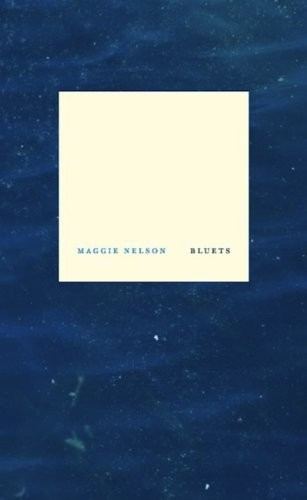
Bluets
Two hundred and forty numbered fragments about the colour blue, desire, depression, loneliness and a friend's paralysis, arranged as a lyric essay.

Please Look After Mom
When their sixty-nine-year-old mother vanishes in a crowded Seoul subway station, her husband and grown children search the city and realise how little they knew about her.

We Do Not Part
A writer crosses a snowstorm to her injured friend's empty house on Jeju Island to save a pet bird, and finds herself among the ghosts of the 1948 massacre her friend's family survived.

Grief Is the Thing with Feathers
Weeks after his wife's sudden death, a Ted Hughes scholar in a London flat is visited by Crow, who says he will stay with him and his two young sons until they no longer need him.

Housekeeping
Ruth and her younger sister Lucille, orphaned beside a glacial lake in Fingerbone, Idaho, are raised by their aunt Sylvie, a drifter who keeps house in her own strange way, and as Lucille chooses an ordinary life, Ruth drifts towards Sylvie's.

Dept. of Speculation
A wife and mother in New York tracks her disintegrating marriage in spare, telegraphic fragments that add up to a devastating portrait of modern domestic life.
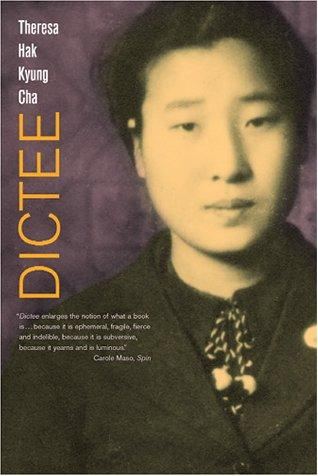
Dictee
A collage in nine sections named for the Greek muses, joining the voices of Korean women, among them the revolutionary Yu Guan Soon and the author's mother, with French dictation exercises, photographs and film stills.
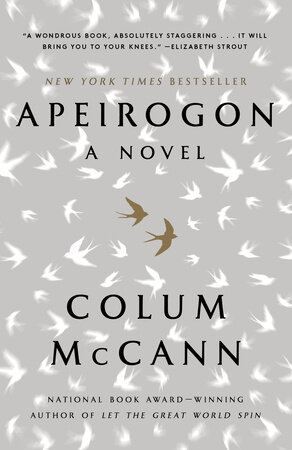
Apeirogon
A Palestinian father and an Israeli father, both of whom have lost daughters to the conflict, drive the territory of their shared loss across a thousand numbered fragments.
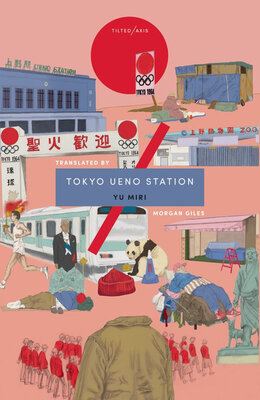
Tokyo Ueno Station
The ghost of Kazu, a labourer from Fukushima who spent his last years among the homeless of Tokyo's Ueno Park, looks back on a life of work that began in the same year as the emperor's.
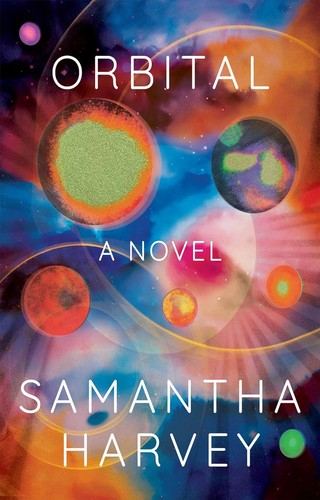
Orbital
Six astronauts aboard the International Space Station circle the Earth sixteen times in a single day, watching continents and weather pass below while thinking about the lives they left behind.

No One Is Talking About This
A poet's life is split between a pre-internet childhood and the social media hellscape of the present, told in fragments that capture the vertigo of the timeline.