Books like Underground

Murakami's interviews with survivors of the 1995 sarin gas attack on the Tokyo subway, and with members of the Aum Shinrikyo cult behind it, set beside his own essay on what the attack revealed about Japan.
Explore books like this on the map12 books for readers of Underground

News of a Kidnapping
García Márquez's account of the kidnapping of ten Colombian journalists and public figures by Pablo Escobar's Medellín cartel in 1990, taken as leverage against extradition to the United States.

Abandoning a Cat
A short memoir of Murakami's father, a teacher drafted into the war in China, that starts from a childhood afternoon when the two of them left a cat at the beach and found it waiting at home.
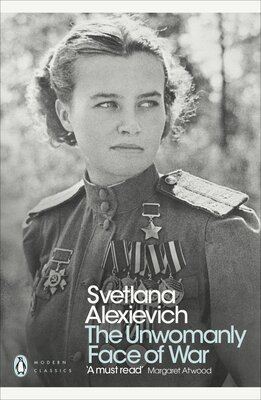
The Unwomanly Face of War
An oral history of the Soviet women who fought in the Second World War, as snipers, pilots, tank drivers, medics and laundresses, in their own voices.

Secondhand Time
Ordinary people across the former Soviet Union talk about the collapse of the USSR and the twenty years that followed.

Absolutely on Music
Murakami and the conductor Seiji Ozawa listen to recordings together and talk about Mahler, Beethoven and Ozawa's apprenticeships with Bernstein and Karajan.
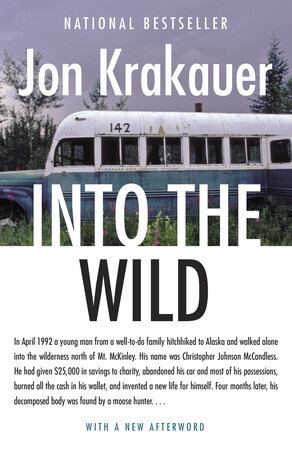
Into the Wild
In 1992 Chris McCandless, a gifted young college graduate, gave away his savings, walked into the Alaskan wilderness to live off the land and was found dead months later, and Jon Krakauer reconstructs why.
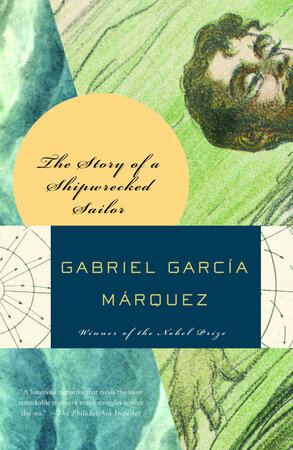
The Story of a Shipwrecked Sailor
A Colombian navy sailor washed off a destroyer in 1955 tells how he survived ten days adrift on a raft in the Caribbean without food or water.
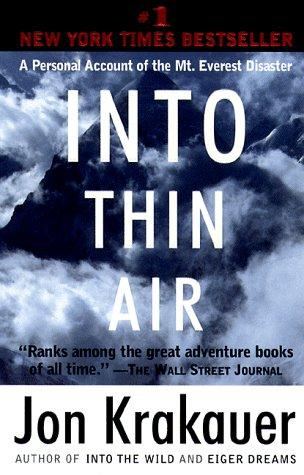
Into Thin Air
Jon Krakauer reconstructs the 1996 Everest disaster, which he lived through as a journalist on a commercial expedition, in a story of ambition, money and the mountain's indifference.

This House of Grief
Garner follows the trials of Robert Farquharson, who drove his car into a dam on Father's Day 2005 and drowned his three sons, and asks whether he meant to.
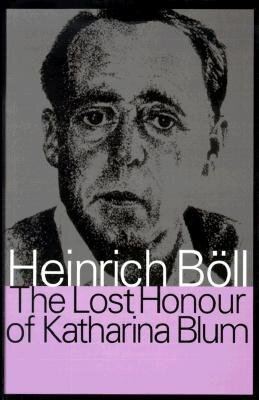
The Lost Honour of Katharina Blum
Katharina Blum, a quiet housekeeper, spends a carnival night with a young man the police are hunting, and a tabloid newspaper turns her life into a story.

Burnt Shadows
Hiroko Tanaka survives the atomic bomb at Nagasaki in 1945, and her life, and her family's, carries her on to Delhi, Karachi and New York.

The Master of Go
Kawabata's novelised reporting on the 1938 retirement match of the old Honinbo master of Go, lost to a younger, modern challenger across six months of play.