Books like Underworld
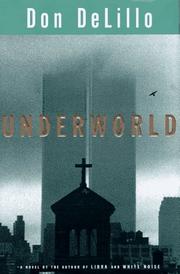
A panoramic Cold War novel that begins with a lost baseball and Bobby Thomson's home run and spirals through decades of American paranoia, waste, and longing.
Explore books like this on the map12 books for readers of Underworld
V.
A drifter named Benny Profane falls in with a bohemian crowd in 1950s New York while Herbert Stencil hunts across decades of colonial history for a woman, or an idea, known only as V.

Libra
Lee Harvey Oswald drifts from the Bronx to the Marines to Minsk to Dallas while a group of disaffected CIA men plan a staged attempt on Kennedy that is meant to miss.
Gravity's Rainbow
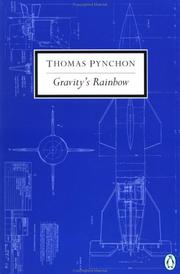
A massive, hallucinatory novel tracking a V-2 rocket across wartime Europe, connecting paranoia, entropy, Pavlovian conditioning, and the death drive of Western civilisation.

The Book of Daniel
Daniel Isaacson, the son of a couple executed for spying in the 1950s, struggles in the late 1960s with their memory, his sister's breakdown and his own anger, in Doctorow's novel based on the Rosenberg case.
J R
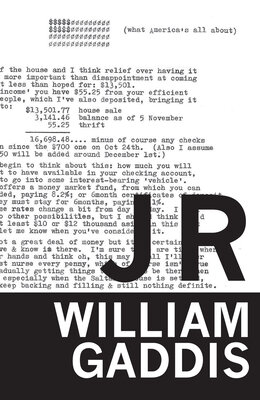
An eleven-year-old boy on Long Island, starting from a school trip to the stock exchange and working from a pay phone, builds a vast paper empire, told almost entirely in unattributed dialogue.
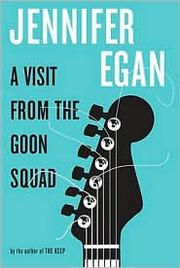
A Visit from the Goon Squad
A novel in linked chapters that leaps through decades and forms, one of them a PowerPoint presentation, following a record executive, his kleptomaniac assistant and the people around them as time changes everything.

The Loneliness of Sonia and Sunny
Sonia, a student writer in snowy Vermont, and Sunny, a struggling journalist in New York, are two young Indians whose grandparents try to arrange a match between them, and their unlikely relationship carries them across continents and generations.

To Paradise
Three interconnected novellas spanning 1893, 1993, and 2093 New York, each reimagining a version of paradise and the human need to construct utopia.

The Twenty-Seventh City
St. Louis's new police chief, a former Bombay officer, quietly takes over the city through a conspiracy of influence, blackmail and real estate, and only one civic leader resists.

Infinite Jest
In a near-future North America where years are sold to corporate sponsors, an elite tennis academy and the halfway house down the hill orbit a film so entertaining it kills anyone who watches it.

The Golden Notebook
Anna Wulf, a blocked novelist in 1950s London, keeps four notebooks for the parts of her life, black for Africa, red for politics, yellow for fiction and blue for daily life, and tries to bring them together in a fifth.

The Gold Bug Variations
In 1957 a young geneticist tries to crack the genetic code, and in the 1980s a librarian and an art historian piece together his story, in a novel built on Bach's Goldberg Variations.