Books like Fugitive Pieces

Jakob Beer, a seven-year-old Jewish boy hiding in the mud of a Polish town after his family is murdered, is found by Athos, a Greek geologist, who smuggles him to the island of Zakynthos.
Explore books like this on the map12 books for readers of Fugitive Pieces

O the Chimneys
Poems and verse dramas from Sachs's years in Swedish exile, mourning the Jews murdered in the Holocaust.
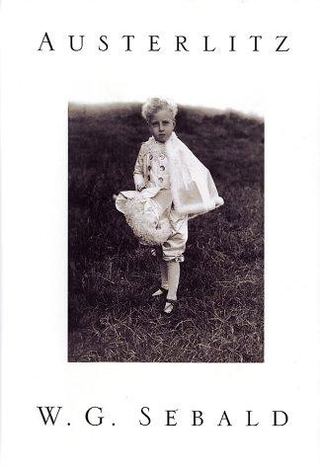
Austerlitz
A narrator meets Jacques Austerlitz, an architectural historian, in the waiting room of Antwerp's railway station, and over chance meetings across thirty years hears him piece together a childhood he was cut off from.
Riders in the Chariot
Four outsiders in a Sydney suburb, an eccentric heiress, a Jewish refugee, a laundress and an Aboriginal painter, are joined by a shared vision and by the cruelty of their neighbours.
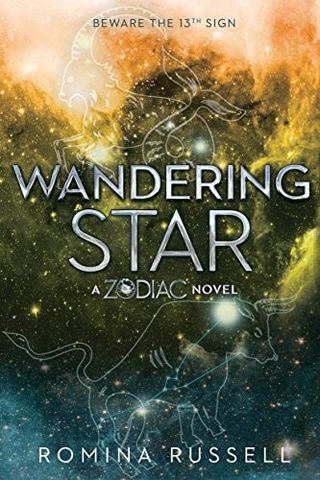
Wandering Star
Esther, a Jewish girl hiding with her mother in a mountain village in the south of France in 1943, sets out after the war for Palestine, where her path briefly crosses that of Nejma, a Palestinian girl bound for a refugee camp.

Kaddish for an Unborn Child
A Hungarian writer who survived Auschwitz explains, in one long monologue, why he refused to have a child.

The Sea
An ageing Irishman reflects on a childhood summer by the sea and the drowning that ended it, unable to separate memory from invention.

Mr. Sammler's Planet
Artur Sammler, a Polish Jew who survived the Holocaust by climbing out of a mass grave, now in his seventies, watches the Upper West Side of the late 1960s through one good eye.
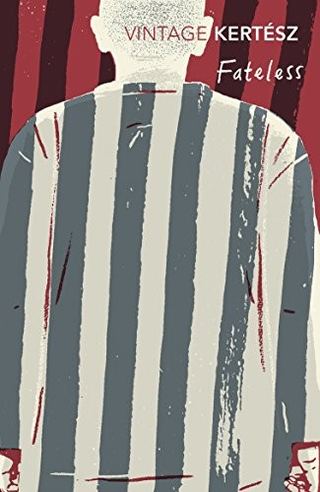
Fatelessness
György Köves, a fourteen-year-old Budapest Jew, is taken off a bus in 1944 and deported to Auschwitz and then Buchenwald, and tells it all in a flat, almost uncomprehending voice.

Dora Bruder
Modiano comes across a notice in a December 1941 newspaper asking for news of a missing fifteen-year-old Jewish girl in Paris, and spends years trying to trace her.

Housekeeping
Ruth and her younger sister Lucille, orphaned beside a glacial lake in Fingerbone, Idaho, are raised by their aunt Sylvie, a drifter who keeps house in her own strange way, and as Lucille chooses an ordinary life, Ruth drifts towards Sylvie's.

Schindler's Ark
The true story of Oskar Schindler, the Nazi industrialist who saved over a thousand Jews by employing them in his factories.
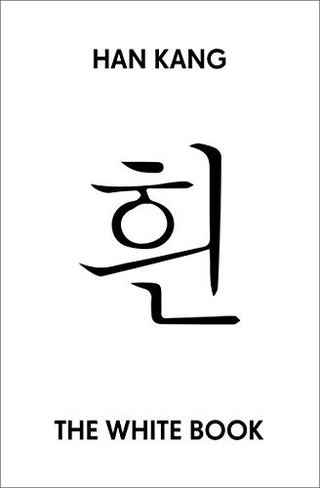
The White Book
A Korean writer living in Warsaw meditates on white things, snow, swaddling cloth, salt, blank pages, as a way to grieve the sister her mother lost two hours after birth.