Books like Less Than One
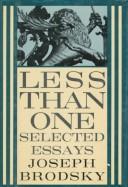
Brodsky's essays on growing up in postwar Leningrad, on his parents, and on the poets he loved, Akhmatova, Mandelstam, Auden and Cavafy among them.
Explore books like this on the map12 books for readers of Less Than One
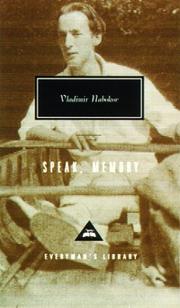
Speak, Memory
Nabokov remembers his St. Petersburg childhood and émigré youth, from butterfly summers on the family estate to Cambridge and Berlin, in prose built like a chess problem.

Collected Poems in English
The poems Brodsky translated himself or wrote in English during his years of exile in America.
In Memory of Memory
A Russian poet sifts the boxes of a Jewish great-aunt into a century of letters, photographs, and reflections on what memory keeps and why.

Reading Lolita in Tehran
Azar Nafisi, a literature professor forced out of her university in the Islamic Republic, gathers seven of her best women students at her house every Thursday to read forbidden Western novels.
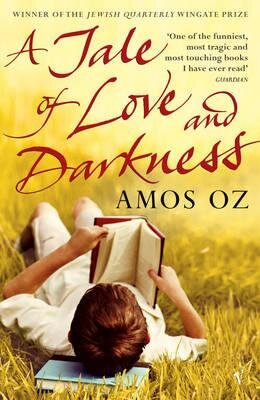
A Tale of Love and Darkness
Amos Oz's memoir of growing up in Jerusalem in the 1940s and 50s, the only child of bookish European Jews, and of the loss of his mother when he was twelve.
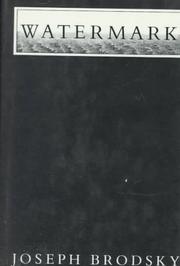
Watermark
A short book of reflections on Venice, where Brodsky spent his winters for seventeen years.
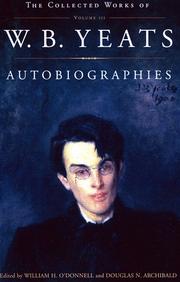
Autobiographies
Yeats's own account of his childhood in Sligo and London, his youth among the artists and occultists of the 1890s, and the Irish literary revival.
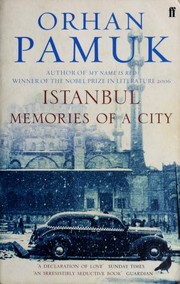
Istanbul: Memories and the City
Pamuk's memoir of growing up in Istanbul in the 1950s and 60s, of his family, and of the melancholy of the city, which Turks call hüzün.

The Tongue Set Free
Canetti remembers his childhood from 1905 to 1921, in a Sephardic Jewish family in Bulgaria, Manchester, Vienna and Zurich, and the mother who taught him German.

Native Realm
Miłosz's autobiography of his education, from a childhood in Lithuania through the war in Warsaw to his defection, as a search for a European identity.

Novelist as a Vocation
Essays on how Murakami became a novelist, from the baseball game where he decided to write his first book to the daily routine and stubbornness that have kept him writing since.
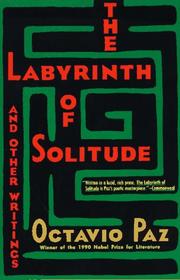
The Labyrinth of Solitude
Paz's essays on the Mexican character, on the pachuco, the fiesta, death, and the masks Mexicans wear.