Books like Native Realm

Miłosz's autobiography of his education, from a childhood in Lithuania through the war in Warsaw to his defection, as a search for a European identity.
Explore books like this on the map12 books for readers of Native Realm
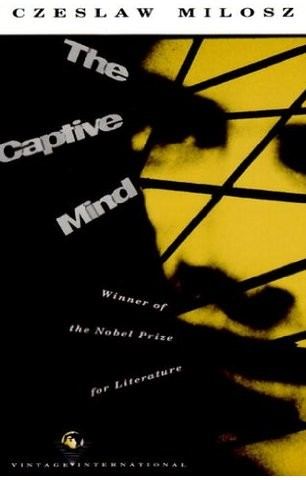
The Captive Mind
Miłosz's study of how the writers and intellectuals of Eastern Europe came to accept Stalinist rule, through four portraits of friends he calls Alpha, Beta, Gamma and Delta.

Peeling the Onion
Grass's memoir of his boyhood in Danzig, his war, including his service as a teenager in the Waffen-SS, and his years of becoming a writer.

Autobiographies
Yeats's own account of his childhood in Sligo and London, his youth among the artists and occultists of the 1890s, and the Irish literary revival.

The Issa Valley
Thomas, a boy growing up with his grandparents in a river valley in the Lithuanian countryside after the First World War, learns about nature, faith and death.

The Tongue Set Free
Canetti remembers his childhood from 1905 to 1921, in a Sephardic Jewish family in Bulgaria, Manchester, Vienna and Zurich, and the mother who taught him German.
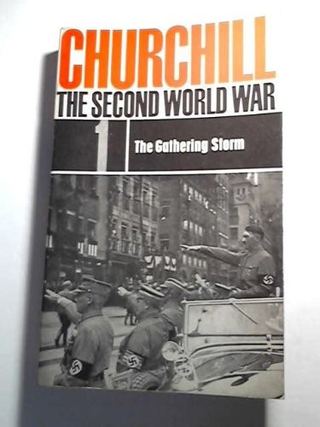
The Gathering Storm
The first volume of Churchill's history of the Second World War: the twenty years from the Treaty of Versailles to May 1940, when he became Prime Minister.

Reading Lolita in Tehran
Azar Nafisi, a literature professor forced out of her university in the Islamic Republic, gathers seven of her best women students at her house every Thursday to read forbidden Western novels.

The Words
Sartre's account of his childhood to the age of eleven in his grandfather's Paris apartment, among books, and how he decided to become a writer.

The Family Moskat
The wealthy Moskat family of Warsaw and its old patriarch Meshulam, from the turn of the century to the German bombardment of 1939.
Man's Search for Meaning
An Austrian psychiatrist's account of three years across four concentration camps and the logotherapy he built out of the observation that the prisoners who lived were the ones who had something still to mean.
Less Than One
Brodsky's essays on growing up in postwar Leningrad, on his parents, and on the poets he loved, Akhmatova, Mandelstam, Auden and Cavafy among them.
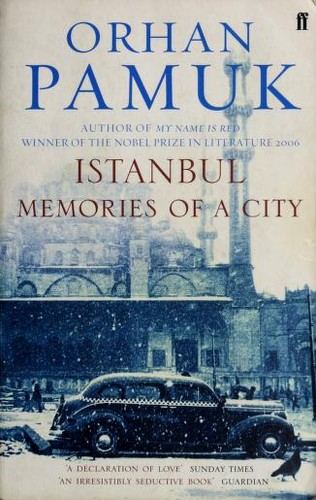
Istanbul: Memories and the City
Pamuk's memoir of growing up in Istanbul in the 1950s and 60s, of his family, and of the melancholy of the city, which Turks call hüzün.