Books like Letters to a Young Poet
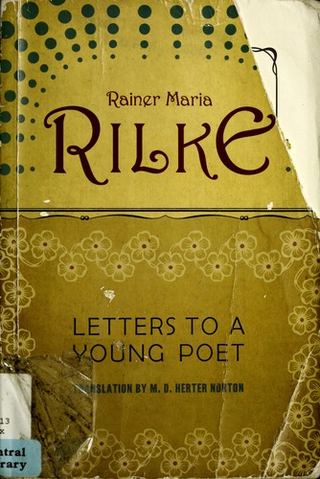
Ten letters Rilke wrote between 1903 and 1908 to a young officer cadet who had sent him his poems, on solitude and love, and on learning to live the questions.
Explore books like this on the map12 books for readers of Letters to a Young Poet

The Writing Life
Dillard's short book on the daily work of writing, the cabins and studies where she has done it, and what it costs, with a detour to a stunt pilot who wrote in the sky.

The Book of Hours
Prayers in the voice of a young monk addressing a God he imagines as unfinished and close at hand, the book that first made Rilke's name.
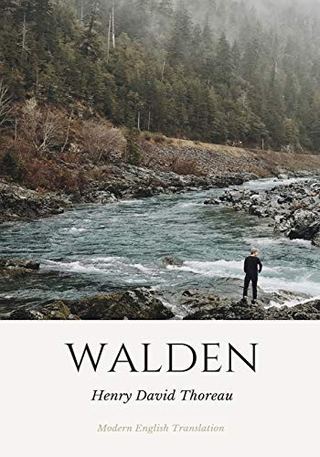
Walden
Henry David Thoreau builds a cabin by Walden Pond and spends two years living simply, recording the natural world and his thoughts, in a manifesto that became a bible of American self-reliance.

Gitanjali
Song offerings of devotion, nature and the infinite, the collection that won Tagore the 1913 Nobel Prize and introduced his work to readers in the West.

Duino Elegies
Ten elegies Rilke began at Duino Castle on the Adriatic in 1912 and finished in a burst ten years later, asking who would hear him if he cried out, and what being human means beside the angels.
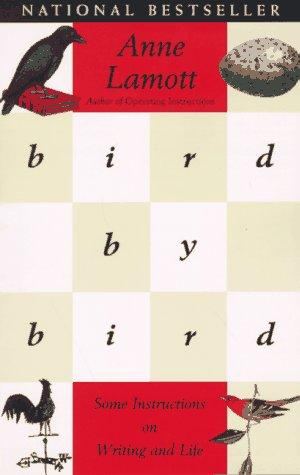
Bird by Bird
Lamott's guide to writing and the writing life, built on permission to write terrible first drafts and the advice her father once gave her brother, stuck on a school report about birds: take it bird by bird.

Devotions
Mary Oliver's own selection from a lifetime of poems about the natural world, attention, wonder and the discipline of noticing.

What I Talk About When I Talk About Running
Murakami reflects on decades of long-distance running and what the discipline has taught him about writing, ageing, and pain.

A Room of One's Own
Woolf's lecture-turned-book on why women who want to write need five hundred a year and a lockable door, in a voice that invented its own form of argument.

The Dark Child
Camara Laye remembers growing up in Kouroussa in French Guinea, the son of a goldsmith with magical gifts, until he leaves for school in Conakry and then for Paris.

One Writer's Beginnings
Welty's Harvard lectures on growing up in Jackson, Mississippi, on her parents and her reading, and on the habits of listening and watching that made her a writer.

Autobiographies
Yeats's own account of his childhood in Sligo and London, his youth among the artists and occultists of the 1890s, and the Irish literary revival.