Books like Duino Elegies

Ten elegies Rilke began at Duino Castle on the Adriatic in 1912 and finished in a burst ten years later, asking who would hear him if he cried out, and what being human means beside the angels.
Explore books like this on the map12 books for readers of Duino Elegies

Four Quartets
Four long meditative poems, Burnt Norton, East Coker, The Dry Salvages and Little Gidding, on time, faith and history, finished during the Second World War.

The Book of Hours
Prayers in the voice of a young monk addressing a God he imagines as unfinished and close at hand, the book that first made Rilke's name.
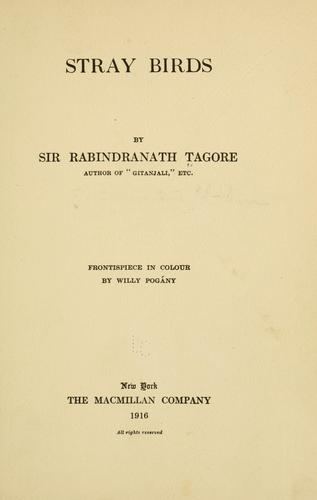
Stray Birds
Several hundred short poems and aphorisms, many only a line or two, on nature, love, God and the passing world.

The Wild Iris
A book-length sequence of poems spoken by the flowers of a garden, by the gardener, and by the god they all address.

Gitanjali
Song offerings of devotion, nature and the infinite, the collection that won Tagore the 1913 Nobel Prize and introduced his work to readers in the West.
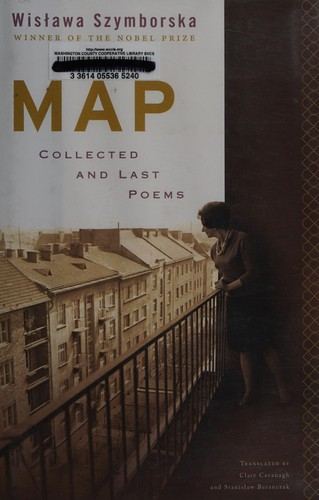
Map: Collected and Last Poems
The complete poems of Szymborska's working life, from the 1940s to the poems left on her desk when she died.

The Collected Poems of W.B. Yeats
The full arc of Yeats's work, from Celtic twilight dreaming to the fierce, stripped late poems wrestling with age, Ireland, and the turning gyres of history.

A Longing for the Light
Selected poems from across Aleixandre's life, from the surrealist love poems of Destruction or Love to the late poems of memory and knowledge.
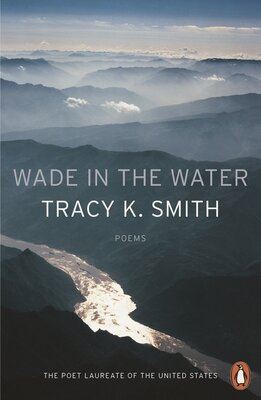
Wade in the Water
The former US Poet Laureate writes through Civil War letters, motherhood, and ecological grief, listening for the voices buried in the national record.

O the Chimneys
Poems and verse dramas from Sachs's years in Swedish exile, mourning the Jews murdered in the Holocaust.
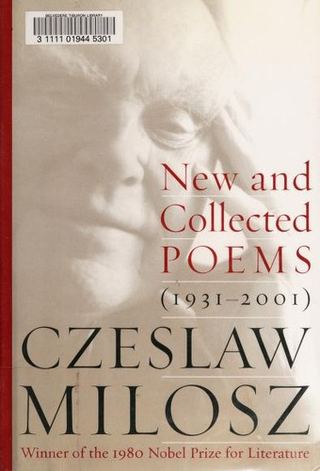
New and Collected Poems
Seventy years of Miłosz's poems, from the Warsaw of the war years to old age in California and Kraków.

Residence on Earth
The dark, surreal poems Neruda wrote as a young consul in Burma, Ceylon and Java, of loneliness, decay and the weight of things.