Books like Memoirs of Hadrian

The Roman emperor Hadrian writes a letter to his successor from his deathbed, reflecting on power, love, philosophy, and the architecture of a civilisation.
Explore books like this on the map12 books for readers of Memoirs of Hadrian

Augustus
The rise of Octavius from Caesar's adopted heir to the first emperor of Rome, told through letters and memoranda by the people around him.

I, Claudius
A stammering historian narrates the blood-soaked reigns of Rome's first emperors from the inside, having survived by being too foolish to kill.
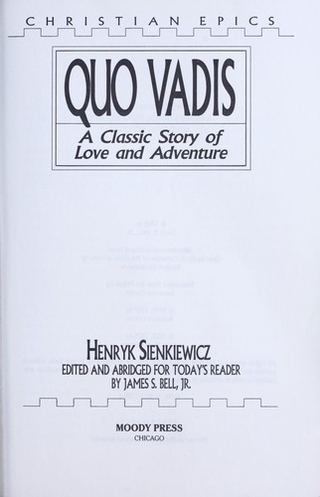
Quo Vadis
In Nero's Rome, the young patrician soldier Marcus Vinicius falls for Lygia, a hostage princess who has secretly become a Christian, as the city moves toward fire and persecution.

Barabbas
Barabbas, the thief freed in place of Jesus, watches the crucifixion from a distance and can't stop thinking about the man who died in his place, or about the people who believe in him.
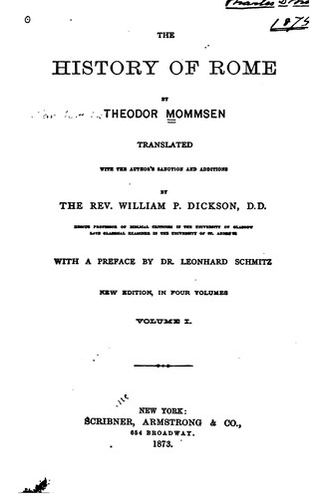
The History of Rome
Mommsen's history of the Roman Republic, from the founding of the city to the rise of Julius Caesar, the work cited when he won the Nobel.

The Death of Ivan Ilyich
A successful judge confronted by his own mortality realises that his entire life has been a lie, and the novella's forty pages contain a complete philosophy of dying.

The Master of Go
Kawabata's novelised reporting on the 1938 retirement match of the old Honinbo master of Go, lost to a younger, modern challenger across six months of play.
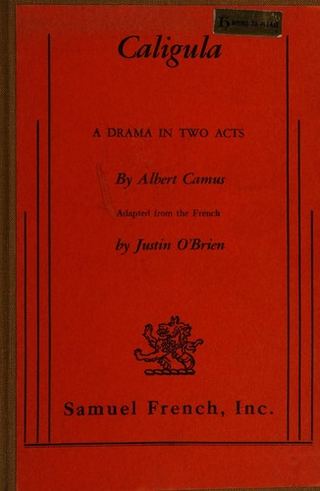
Caligula
A play: after the death of his sister Drusilla, the young emperor Caligula decides that men die and are not happy, and sets out to use his absolute power to live by that truth.
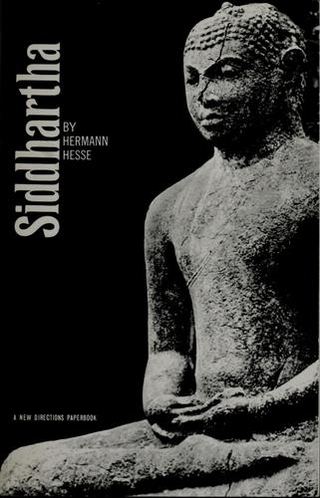
Siddhartha
A young Brahmin leaves home to seek enlightenment, passing through wealth, love, and despair before finding wisdom by a river.

Death in Venice
Gustav von Aschenbach, an ageing German writer on holiday in Venice, becomes infatuated with a beautiful Polish boy, Tadzio, and stays on as cholera spreads through the city.

Faithful and Virtuous Night
A late sequence by the Nobel laureate that moves between an ageing painter, an orphaned English boyhood, and the approach of night itself.
Barbarian Odes
Carducci's poems in the metres of Latin verse, on Roman ruins, Italian landscapes and the passing of time.