Books like The History of Rome
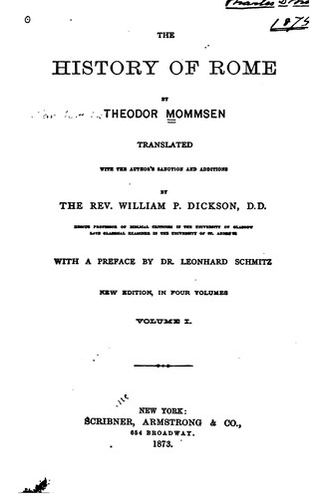
Mommsen's history of the Roman Republic, from the founding of the city to the rise of Julius Caesar, the work cited when he won the Nobel.
Explore books like this on the map12 books for readers of The History of Rome
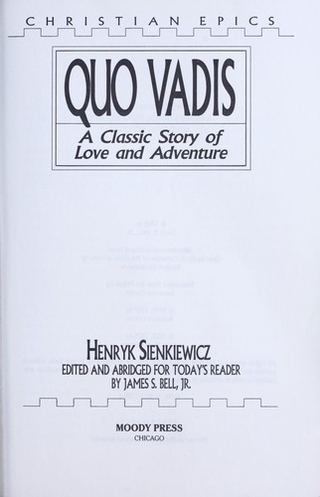
Quo Vadis
In Nero's Rome, the young patrician soldier Marcus Vinicius falls for Lygia, a hostage princess who has secretly become a Christian, as the city moves toward fire and persecution.

Augustus
The rise of Octavius from Caesar's adopted heir to the first emperor of Rome, told through letters and memoranda by the people around him.

A History of Western Philosophy
Russell's survey of Western philosophy from the pre-Socratics to his own day, set against the social and political history that shaped each thinker, with his opinions in full view.
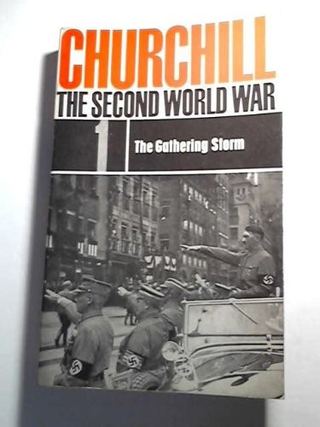
The Gathering Storm
The first volume of Churchill's history of the Second World War: the twenty years from the Treaty of Versailles to May 1940, when he became Prime Minister.

I, Claudius
A stammering historian narrates the blood-soaked reigns of Rome's first emperors from the inside, having survived by being too foolish to kill.
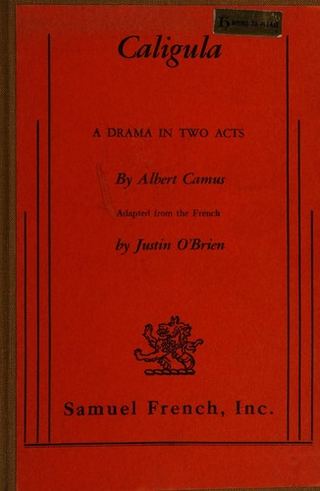
Caligula
A play: after the death of his sister Drusilla, the young emperor Caligula decides that men die and are not happy, and sets out to use his absolute power to live by that truth.

Barabbas
Barabbas, the thief freed in place of Jesus, watches the crucifixion from a distance and can't stop thinking about the man who died in his place, or about the people who believe in him.

Crowds and Power
Canetti's study of crowds, how they form, grow and turn, and of power and the people who hold it, drawn from myth, history and anthropology.
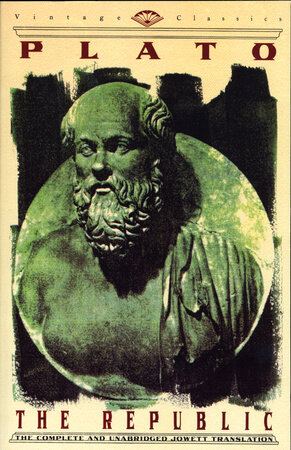
The Republic
Socrates and his companions debate justice, the ideal city and the nature of reality, building a utopia that doubles as a prison in philosophy's most influential and troubling thought experiment.

Memoirs of Hadrian
The Roman emperor Hadrian writes a letter to his successor from his deathbed, reflecting on power, love, philosophy, and the architecture of a civilisation.
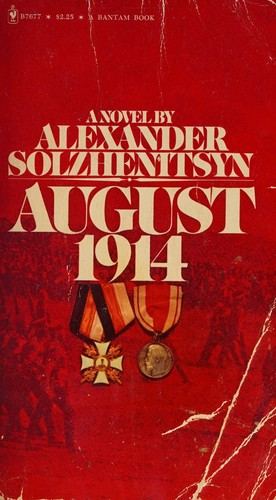
August 1914
The Russian army's invasion of East Prussia in August 1914 and its disaster at Tannenberg, seen through officers, soldiers and families across Russia.
The Gulag Archipelago
Solzhenitsyn's history of the Soviet prison camp system from 1918 to 1956, built from his own years inside and the testimony of hundreds of former prisoners.