Books like Residence on Earth

The dark, surreal poems Neruda wrote as a young consul in Burma, Ceylon and Java, of loneliness, decay and the weight of things.
Explore books like this on the map12 books for readers of Residence on Earth
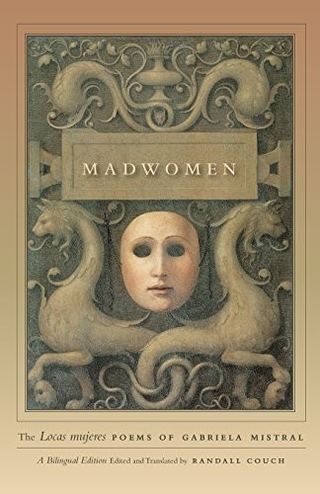
Madwomen
Mistral's late sequence of poems of women on the edge, the abandoned, the obsessed, the dispossessed, among them The Fugitive, The Unbeliever and The Other.

The Book of Questions
Neruda's last book: seventy-four short poems made entirely of questions, such as why trees conceal the splendour of their roots.
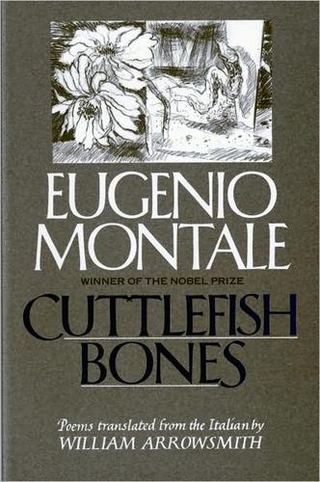
Cuttlefish Bones
Montale's first book of poems, of the harsh, sunlit Ligurian coast he grew up on and the search for a way out of a closed world.

Canto General
Neruda's epic of the Americas, from their geology and first peoples through conquest and liberation to his own exile, including the sequence The Heights of Macchu Picchu.
A Longing for the Light
Selected poems from across Aleixandre's life, from the surrealist love poems of Destruction or Love to the late poems of memory and knowledge.

Duino Elegies
Ten elegies Rilke began at Duino Castle on the Adriatic in 1912 and finished in a burst ten years later, asking who would hear him if he cried out, and what being human means beside the angels.

Complete Poems
Quasimodo's poems from the hermetic lyrics of his Sicilian youth to the poems of war and Liberation that made his name.

Selected Poems
Poems from across Mistral's life, of lost love, motherhood and children, faith and the landscapes of Chile, in Ursula K. Le Guin's translation.

The Collected Poems of Octavio Paz 1957–1987
Thirty years of Paz's poems, from Sunstone onward, in Spanish and English.

Collected Poems
Seferis's poems, from Mythistorema to the poems of exile in the war years, in which the islands, the sea and the ruins of ancient Greece stand in for a modern country's grief.

The Axion Esti
A long poem in the form of an Orthodox liturgy, moving from the creation of the world through the Greek war of the 1940s to a hymn of praise for the things of this world.

O the Chimneys
Poems and verse dramas from Sachs's years in Swedish exile, mourning the Jews murdered in the Holocaust.