Books like The Collected Poems of W.B. Yeats

The full arc of Yeats's work, from Celtic twilight dreaming to the fierce, stripped late poems wrestling with age, Ireland, and the turning gyres of history.
Explore books like this on the map12 books for readers of The Collected Poems of W.B. Yeats

Autobiographies
Yeats's own account of his childhood in Sligo and London, his youth among the artists and occultists of the 1890s, and the Irish literary revival.

Romancero Gitano
Lorca's poems channel Andalusian Roma life through surreal and visceral imagery.

District and Circle
Late poems that move between the farm and forge of Heaney's childhood and the London Underground, with translations and prose poems.

Complete Poems
Quasimodo's poems from the hermetic lyrics of his Sicilian youth to the poems of war and Liberation that made his name.
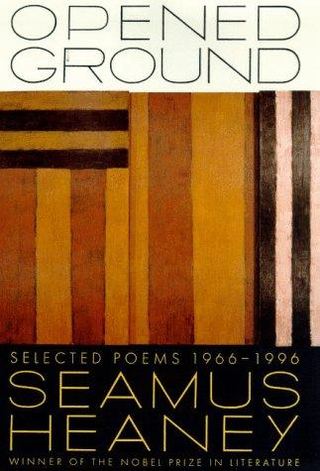
Opened Ground: Selected Poems 1966–1996
Thirty years of Heaney's poems, from Death of a Naturalist to The Spirit Level, with his Nobel lecture.

The Celtic Twilight
Yeats's gathering of the fairy lore, ghost stories and visionary encounters he heard from country people in Sligo and Galway.

Collected Poems
Seferis's poems, from Mythistorema to the poems of exile in the war years, in which the islands, the sea and the ruins of ancient Greece stand in for a modern country's grief.

The Book of Hours
Prayers in the voice of a young monk addressing a God he imagines as unfinished and close at hand, the book that first made Rilke's name.

Duino Elegies
Ten elegies Rilke began at Duino Castle on the Adriatic in 1912 and finished in a burst ten years later, asking who would hear him if he cried out, and what being human means beside the angels.

Gitanjali
Song offerings of devotion, nature and the infinite, the collection that won Tagore the 1913 Nobel Prize and introduced his work to readers in the West.
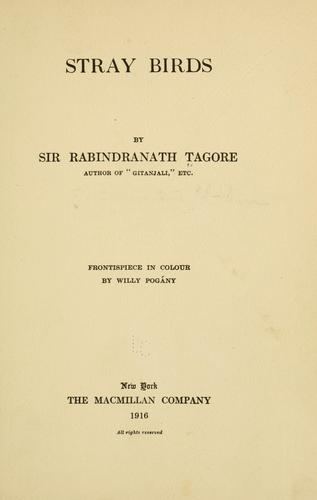
Stray Birds
Several hundred short poems and aphorisms, many only a line or two, on nature, love, God and the passing world.
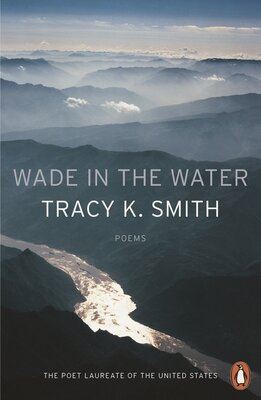
Wade in the Water
The former US Poet Laureate writes through Civil War letters, motherhood, and ecological grief, listening for the voices buried in the national record.